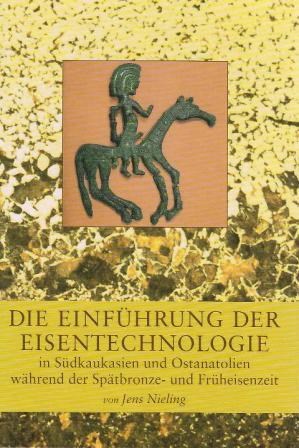
Die Einführung der Eisentechnologie
in Südkaukasien und Ostanatolien wärend der Spätbronze- und Früheisenzeit
En del af fagområdet Antikforskning
Mere om bogen
Om bogen
For purchases outside of Denmark:
If you are located in the USA or Canada, please contact our US distributor, Longleaf Services, at orders@longleafservices.org or +1 919-503-6590.
For purchases in all other countries, you can find the title through our global distributor, The Mare Nostrum Group, here: https://mngbookshop.co.uk


Netop udkommet


Forlaget skriver:
28 maj 2026
Er du vores nye studentermedhjælper i salg og marketing?
Kom og vær en del af et spændende forlag, hvor forskningsformidling er i højsædet. Du bliver en del af et engageret marketing…
20 maj 2026
Forårets sidste Bogtorsdag 11. juni
Forårets sidste Bogtorsdag 11. juni Vær med, når vi sammen med Det Kgl. Bibliotek i Aarhus fejrer forfatterne bag vores nyes…
8 maj 2026
Spar op til 70% til sommer-lagersalg!
Vi gentager succesen og inviterer igen i år til vores store sommer-lagersalg, så sæt kryds i kalenderen onsdag den 10. j…